
10000000
EightyEight GamesPuzzle
4.61.25K Reviews
- Version
- 1.9.4026
- Installs
- 100.00K
- Age Rating
- Everyone
Screenshots
Our Review of 10000000
 Analysis by Appyee
What keeps me curious about 10000000 is the tension between a tiny, familiar action—sliding tiles to make matches—and the much bigger job those matches have to do. I’m not simply clearing a board: I’m trying to make useful decisions while a dungeon run unfolds. That makes it a puzzle game for people who like their matching to feel purposeful, and a dungeon game for people happy to think quickly rather than steer a character directly.
Your first move has a job to do
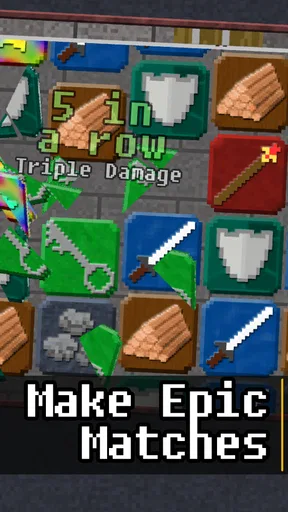
The basic interaction is easy to grasp: match symbols on a grid, then use what you create to deal with the obstacles in front of you. Swords help with enemies, shields support defense, and keys and other resources matter for different opportunities along the way. The important adjustment is to stop treating each match as an isolated score. A tile choice is also a choice about what kind of help you want available during the run.
That makes the first few turns a useful learning space. I’d pay attention to what the current dungeon situation is asking for before making the most obvious match. If there is no immediate target for an attack, preparing combat symbols may still be worthwhile, but it competes with the need to preserve options for whatever comes next. The game is at its best when I’m weighing those needs instead of clearing whatever happens to look convenient.
Why the pace feels different from ordinary matching
In many match-three puzzles, the board is the whole problem: make a match, watch the pieces settle, and look for another. Here, matching is tied to a run through a dungeon, so the result has a practical consequence. A match can help me push forward, but choosing the wrong kind of resource at the wrong moment can leave me less prepared. That connection between board and adventure gives familiar tile play a sharper edge.
The rhythm is action, feedback, and adjustment. I make a move, see how it supports the run, then revise my priorities as the situation changes. There is a satisfying sense of urgency, but it also means that this is not my pick when I want a slow, interruption-proof puzzle. A short distraction can break the thread of a decision, and someone who prefers to study every possible move at leisure may find the pace less relaxing than a conventional turn-based board game.
Progress makes a failed run useful
Runs are not only about getting farther in the moment. Points contribute to character and equipment upgrades, so even a run that falls short can feed into longer-term progress. I like that because it gives a restart a purpose: I can take another try with a better sense of what held me back, rather than feeling that the entire attempt vanished without a trace.
The trade-off is that progression can encourage repetition. If you enjoy refining a strategy and seeing incremental improvement, the upgrade loop gives you a reason to return. If you want a compact puzzle with a clear finish after one sitting, the longer climb toward the target may feel like more commitment than you wanted. I would treat upgrades as a way to support better runs, not as a promise that every obstacle can be solved just by grinding.
Small decisions that improve a run
My most useful habit is to think in terms of needs, not just symbols. Before moving tiles, I ask what the run currently lacks: attack, defense, keys, or another resource that could help me take advantage of an opportunity. That quick check reduces the temptation to make a match simply because it is easy to see.
I also try not to judge a move only by its immediate payoff. A match that seems unexciting may be useful if it leaves the board in a better position for a follow-up, while a flashy choice can be wasteful if the dungeon has no use for its result yet. This is a practical way to balance speed with planning: pause briefly to identify the next need, then act rather than trying to calculate every possible sequence.
Who will enjoy this particular mix
I’d recommend it to someone who likes puzzle games but wants a reason for each match beyond clearing space, or to a role-playing fan who enjoys making tactical choices without needing a large world to explore. Its pixel-art presentation and chiptune soundtrack suit the brisk, arcade-like feel, while the upgrade system gives repeat sessions a thread of progression.
It is less suited to players who want a purely peaceful match-three game, a story-led adventure, or a slow tactical experience with unlimited time to consider each move. It also may not satisfy someone looking for a deep, hands-on dungeon crawler: the central activity remains matching tiles, and the dungeon is experienced through the consequences of those matches. Knowing that distinction helps set expectations before paying for it.
Journey into a Pixelated Adventure
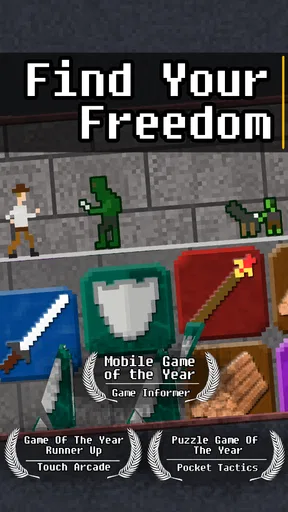
The first thing you'll notice about 10000000 is its retro, pixel-art style. It’s charmingly nostalgic, whisking you back to the classic games of the '80s and '90s. The graphics may not be cutting-edge, but that’s part of the charm. The visual simplicity allows you to focus on the core gameplay, which is where this app truly shines.
Your goal in 10000000 is simple: accumulate ten million points to earn your freedom from a dungeon. Sounds easy, right? But as you dive deeper, you'll find layers of complexity that make reaching that score a thrilling challenge.
Gameplay Mechanics that Hook You
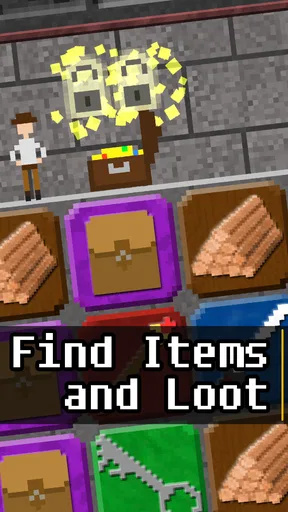
The game blends several genres into one seamless experience. At its core, it's a match-three puzzle game. You slide tiles on a grid to match symbols that represent different actions: swords for attacking, shields for defense, keys for unlocking doors, and so on. Each match helps you progress through the dungeon, battling monsters, opening chests, and avoiding traps.
But here’s where it gets interesting. Every decision matters. Matching swords when there’s no enemy in sight might seem pointless, but it could set you up for a massive combo later. The game demands strategic thinking, quick reflexes, and a bit of luck. It’s a delightful concoction that keeps you coming back for more.
Leveling Up and Upgrades
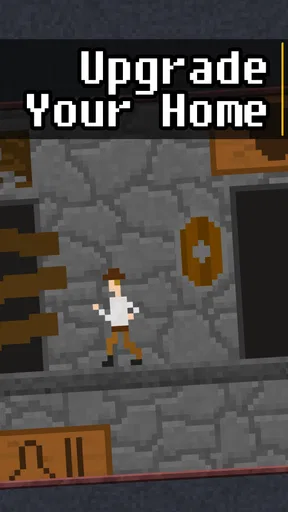
As you earn points, you can upgrade your character and equipment. This RPG element adds depth and a sense of progression. You’ll find yourself eagerly anticipating the next upgrade, knowing it might give you the edge needed to go further on your runs.
The upgrades are diverse, from increasing your attack power to enhancing your magical abilities. It’s a satisfying loop that encourages you to keep grinding, pushing for that magical 10,000,000 score.
Soundtrack and Atmosphere
The soundtrack of 10000000 perfectly complements its retro aesthetic. The chiptune music is catchy and energizes your quest through the dungeon. It’s the kind of soundtrack that stays with you, even after you’ve put the game down for a break. It adds an additional layer of immersion, making your pixelated adventure all the more engaging.
A Few Tips for Success
While the game isn’t overly complicated, it does have a learning curve. Here are a few tips to help you on your journey:
- Plan Ahead: Always think a few moves ahead, especially when it comes to matching tiles.
- Balance Your Focus: Don’t just focus on combat; remember to keep an eye out for keys and resources.
- Upgrade Wisely: Choose upgrades that complement your play style and address your weaknesses.
Wrapping It Up
In the end, 10000000 is a game that surprises you with its depth and complexity. It’s more than just matching tiles; it’s about strategy, timing, and a bit of luck. Whether you’re a fan of retro games or new to the genre, this app offers a compelling experience that’s hard to put down.
If you’re ready to embark on an epic journey and chase that elusive ten million score, 10000000 is waiting for you. It’s not just a game; it’s an adventure that challenges your mind and reflexes. So, grab your sword, lace up your boots, and dive into the dungeon. Your freedom awaits!
A realistic place for it in your day
I can see this fitting into a commute or a quiet break when I have enough attention to follow a run, but not enough time to settle into a long role-playing session. The useful distinction is that a run has a clear immediate goal while upgrades give the next attempt a reason to exist. If I’m interrupted, though, the decision-making rhythm is easier to lose than in a puzzle where the board simply waits for me.
For a relaxed evening, I’d choose it when I want to be engaged rather than soothed. The time pressure and resource choices make it more alerting than a basic tile matcher. For a few minutes between tasks, I’d start only if I’m comfortable leaving a run unfinished or restarting later; I wouldn’t count on it as a background activity that needs no attention.
How to think about the paid download
It costs $2.99, so I’d judge the purchase by whether this particular combination appeals to me, rather than by comparing it with free match-three games as if they offered the same experience. You’re paying for a focused puzzle-and-dungeon loop, with replay value coming from improving decisions and character progress. If you mainly want a familiar casual matcher, a free alternative may be the more sensible choice. If the tactical pressure and repeated runs are the draw, the one-time price is easier to justify.
The game is made by EightyEight Games, has an average rating of 4.6 from around 17,000 ratings, and has been installed over 100,000 times. It is rated Everyone, which makes its broad presentation approachable, though the real question for a younger or less experienced player is whether they enjoy quick choices and retries. The current version is 1.9.4026, and it requires at least iOS 7.1.
What a new player should expect from a restart
A restart is most satisfying when I can name the mistake or missed opportunity that I want to handle differently. Maybe I spent too much attention on combat when a key would have helped, or I chose a convenient match without considering what the next situation might demand. That reflection turns repetition into practice. By contrast, if I restart immediately without learning anything about my priorities, the loop can begin to feel like grinding rather than discovery.
There is no need to approach every board as a perfect puzzle. The game asks for quick judgement under changing needs, so a workable move made in time can be better than searching indefinitely for an ideal chain. I’d focus on spotting the most urgent requirement, then use the result of the move to reassess. This keeps the tactical side accessible without pretending luck never plays a part.
Where it sits among puzzle games
Compared with standard match-three games, this one has a stronger sense of consequence: matches feed an active dungeon run instead of existing mainly to clear a board. Compared with a conventional role-playing game, it strips away much of the exploration and puts the moment-to-moment emphasis on tile decisions. That middle ground is its distinctive appeal, but also its main limitation. If you want a calm board, pick a traditional matcher; if you want detailed character control and exploration, choose a fuller dungeon RPG.
The balance also explains why the game can feel rewarding without being effortless. You’re juggling immediate survival and longer-term growth, yet the interface of the challenge remains a grid of symbols. Players who enjoy translating a small move into a larger consequence will likely find that satisfying. Those who prefer direct combat or a story that carries each session may feel the format is too abstract.
The loop that brings me back
My reason to begin another session is not just the distant score target. It is the chance to make a cleaner run: read the need sooner, spend a match more deliberately, and see whether an upgrade changes what I can manage. The reward is both practical progress and the small satisfaction of understanding the puzzle better than I did last time.
For a compact, distinctive puzzle game with an arcade pulse, this remains an appealing choice. Its strongest quality is how it gives matching a job, while its clearest compromise is that urgency and repetition will not suit every mood. If that trade-off sounds enjoyable, the dungeon’s steady cycle of action, feedback, reward, and reset is easy to recommend; if you want unhurried puzzle solving, I’d look elsewhere.
Verdict
Strengths of 10000000
- User-friendly interface with intuitive navigation.
- Wide range of features for comprehensive use.
- Regular updates with new and improved tools.
- Fast performance, even on older devices.
- Excellent customer support and feedback system.
Limitations of 10000000
- Occasional bugs that need fixing.
- Requires a stable internet connection.
- Some features locked behind paywall.
- High battery consumption during use.
- Limited customization options available.
Other Releases by EightyEight Games
View All
You Must Build A Boat
Role Playing4.9
Similar Picks in This Category
View All
Block Blast!
HungryStudio4.8

Braindom: Brain Games Test
Lahana Game Studio4.6

AMAZE!
CrazyLabs LTD4.6

Sudoku - Classic Sudoku Puzzle
Oakever Games4.7

Art Puzzle - Puzzle Games
Easybrain4.8

Amaze GO!
Oakever Games4.9
Frequently Asked Questions
What is 10000000, and how does it work?
10000000 is a unique blend of puzzle, RPG, and endless runner mechanics. Players match tiles to defeat enemies, unlock chests, and gather resources to upgrade their character. The goal is to score 10,000,000 points in a single run to escape the dungeon. Its engaging gameplay loop combines strategic matching with RPG elements.
Is 10000000 available for both Android and iOS devices?
Yes, 10000000 is available on both Android and iOS platforms. You can download it from the Google Play Store for Android devices and the App Store for iOS devices. Make sure to check the compatibility with your device's operating system version before downloading.
What are the main features of the 10000000 game?
10000000 features a unique blend of tile-matching puzzles and RPG elements. It offers various upgrades for weapons and armor, diverse enemy types, and multiple levels. The game challenges players to strategize their moves to maximize their score, with the ultimate goal of escaping the dungeon by reaching 10,000,000 points.
Are there any in-app purchases or ads in 10000000?
10000000 is a premium game, meaning it typically requires a one-time purchase and does not include in-app purchases or ads. This setup ensures an uninterrupted gaming experience, allowing players to focus solely on the gameplay without distractions from advertisements or the need to make additional purchases.
What makes 10000000 different from other puzzle games?
10000000 stands out due to its blend of puzzle, RPG, and endless runner mechanics. Unlike typical match-three games, it incorporates RPG elements such as character upgrades and enemy battles, offering a more dynamic and strategic experience. The combination of time management and tactical planning provides a fresh take on the puzzle genre.
Play our best games!


